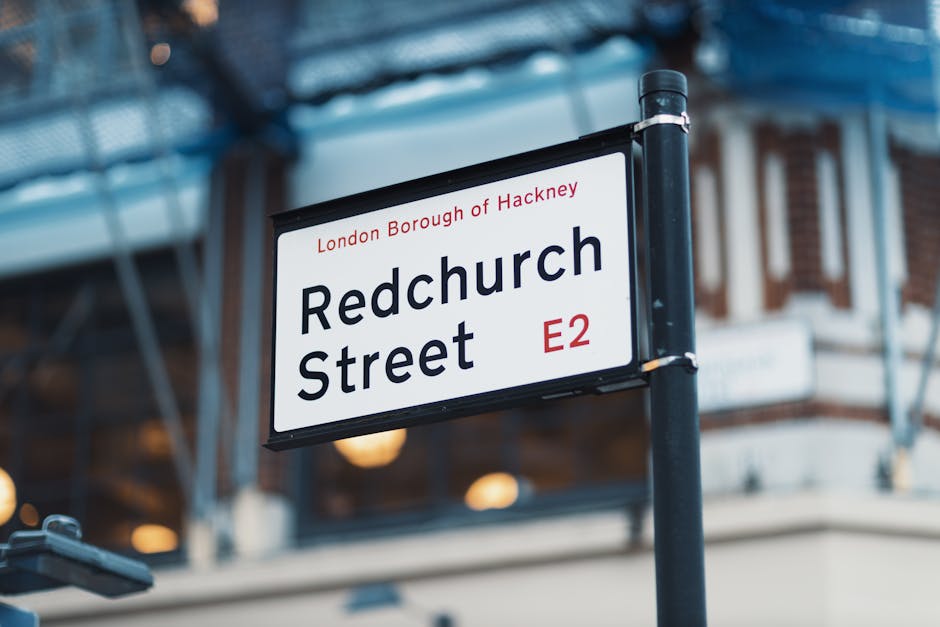
Common problems with flat access for Hackney cleaners
If you book cleaners for a flat in Hackney, access can make or break the visit. One missed key, one locked communal door, or one lift that is out of action, and a straightforward clean can turn into a stressful shuffle around the block. That is the reality behind Common problems with flat access for Hackney cleaners: not the cleaning itself, but all the little access hurdles that sit in front of it.
In this guide, we will look at the most common access issues in flats, why they matter, how to prepare for them, and what good practice looks like on the day. You will also find a practical checklist, a comparison table, and a few realistic examples from everyday London-style flat living. Nothing flashy. Just the stuff that saves time, prevents awkward calls, and helps the clean go smoothly.
Why Common problems with flat access for Hackney cleaners Matters
Access sounds simple until you are standing in the hallway, juggling a vacuum, a caddy of products, and a phone call from someone who is still on the bus. In Hackney, flats often come with shared entrances, coded doors, intercoms, porters, parking restrictions, tight stairwells, and residents who are not always home at the same time. That is a lot of moving parts.
Why does it matter so much? Because a cleaning appointment is usually scheduled around a specific window. If access is slow, uncertain, or incomplete, the cleaner may spend time waiting rather than cleaning. And let's face it, nobody is thrilled paying for time lost to a lift keypad that nobody mentioned.
There is also the practical side. Many cleaning tasks need water, power, and room to move. A deep clean, end of tenancy clean, or one-off reset is much harder if the cleaner has to keep stopping to get through a second locked door or haul equipment up five flights of stairs. For some properties, access issues are minor. For others, they shape the whole job.
If you manage a property, it is also worth thinking about the guest or tenant experience. Poor access instructions can create a messy first impression, while clear arrangements reduce stress for everyone involved. If you want a sense of how a service provider usually frames trust and day-to-day working standards, the about us page gives helpful context, and the health and safety policy is useful when thinking about safe site access.
How Common problems with flat access for Hackney cleaners Works
Flat access problems are rarely dramatic on their own. More often, they stack up. A door code is missing, then the intercom does not work, then the neighbour who knows the buzzer has gone out, and suddenly a thirty-minute slot is looking a bit optimistic.
In practice, a cleaner usually needs some combination of the following:
- a way to get into the building
- a way to reach the right flat
- a safe place to park or unload equipment
- enough time to complete the job once inside
- clear contact details for the person who can help if access fails
The exact challenge depends on the building type. A small conversion flat above a shop is very different from a modern block with a concierge and multiple entry points. Older Victorian properties can have narrow staircases and awkward communal doors. Newer developments may have polished lobby areas but complicated entry systems. Both can be a nuisance in their own way.
For routine visits, access becomes easier once the arrangement is consistent. For example, regular cleaning works best when the same entry method is used every time and key instructions do not change from week to week. If the clean is more specialist, such as deep cleaning or end of tenancy cleaning, the service may need more time, more equipment, and better advance planning than a quick tidy-up.
Expert summary: the best access plan is the one that removes uncertainty before the cleaner arrives. Clear entry, clear contact, clear time window. Simple, but oddly easy to miss.
Key Benefits and Practical Advantages
Good access planning is not just about making life easier for the cleaner. It improves the whole service experience. When the front door, communal entrance, and flat entry all line up properly, the job usually feels calmer and more efficient. That calm matters.
- Less wasted time: fewer delays waiting outside or phoning around.
- Better results: more time spent cleaning, not troubleshooting.
- Lower disruption: less noise in the hallway, fewer repeated knocks, fewer awkward neighbours.
- Safer working: less rushing, fewer awkward lifts with equipment, less risk of damage.
- More predictable pricing: access issues can make a visit longer than planned, so clear arrangements help keep things steady.
There is also a trust benefit. A well-organised flat suggests the tenant or owner is on top of things. That sounds small, but cleaners notice. So do property managers. Even a basic plan for keys, door codes, and parking gives the impression that the booking has been thought through.
If the job involves fragile surfaces or specialist materials, access becomes even more important. Services such as sofa cleaning, curtain cleaning, or mattress cleaning can require more careful handling and more room to manoeuvre. A cramped entrance can turn a neat process into a clumsy one. Not ideal.
Who This Is For and When It Makes Sense
This topic is relevant to quite a wide group of people, though for different reasons.
- Tenants who want a clean flat without last-minute issues.
- Landlords preparing for check-out, re-let, or inspection.
- Property managers overseeing multiple flats, especially in blocks with shared entry systems.
- Airbnb hosts who need a reliable turnaround between guests.
- Homeowners in converted buildings or apartments where access is more complicated than a house.
- Letting agents arranging move-in or move-out cleaning with tight deadlines.
It makes sense whenever access is likely to be even slightly awkward. That might be a coded gate, a shared concierge system, a restricted parking zone, or a building where cleaners have to wait to be buzzed in. If you know the visit is time-sensitive, planning in advance is especially helpful. A Monday morning job in Hackney can be very different from a quiet mid-afternoon slot. Streets are busier, deliveries happen, people are in and out, and everybody seems to be carrying something large.
For hosts or landlords, services like Airbnb cleaning, move-in cleaning, and move-out cleaning tend to benefit most from strong access planning because the timing is so tight. One missed detail can affect the next booking or the handover. Truth be told, the domino effect is real.
Step-by-Step Guidance
If you want fewer access problems, use a simple process. Nothing fancy, just a sensible sequence that removes surprises.
- Confirm the full address and flat number. This sounds obvious, but building names, block numbers, and flat numbers can be easy to mix up.
- Share the entry method in writing. Include door codes, key collection details, concierge instructions, or buzzer names.
- Check lift and stair access. If the lift is out, the cleaner needs to know in advance. If there are stairs, mention the floor level and whether there is a service lift.
- Explain parking or unloading options. In Hackney, parking can be a proper headache. Even short unloading stops may need thought.
- Provide a backup contact. If the main person is unavailable, someone else should be able to help quickly.
- Flag special building rules. Some blocks have quiet hours, no-prop-door rules, or restrictions around deliveries and contractors.
- Leave time for arrival and entry. A narrow booking window is risky if access depends on multiple people.
- Test the plan before the day. If you have not used the access route before, do a quick trial or at least a dry run in your head.
If you are arranging a broader clean rather than a quick visit, you may want to pair access planning with the right service type. A one-off cleaning booking can be a good option for a flat that needs a full reset, while regular cleaning suits homes where entry is already settled and predictable.
Small detail, big impact. Having one clear instruction sheet on the day often works better than six half-remembered messages scattered across texts and email. That part matters more than people think.
Expert Tips for Better Results
Over time, the best access arrangements tend to be the boring ones. Consistent, clear, and easy to repeat. That is usually the sweet spot.
- Use one named contact. Too many people answering access questions can create confusion.
- Keep instructions short. Bullet points beat long paragraphs when someone is outside with bags in hand.
- Put the door code first. If a cleaner is standing in the rain, they do not want to hunt through a long message thread.
- Check whether the cleaner needs parking advice. Even a quick note like "pay-by-phone bay across the road" can save minutes.
- Allow buffer time for larger jobs. A deep clean, oven clean, or after-builders clean often takes longer than a standard domestic visit.
- Be realistic about access during busy periods. Mornings, school-run hours, and evening changeovers can all slow things down.
A practical aside: if your flat has a shared hallway, try to keep that space clear. Strollers, bikes, parcels, and shoe racks can turn a simple walk-in into a little obstacle course. Nobody means to make it hard, of course, but there it is.
For specialist jobs, think about the route as much as the room. A cleaner carrying products for oven cleaning or equipment for steam carpet cleaning may need a straightforward path in and out. The less backtracking, the better the result.
Common Mistakes to Avoid
The most common access problems are usually avoidable. That is the annoying part, but also the hopeful part.
- Assuming the cleaner already knows the building. Even if they have been before, entry details can change.
- Leaving access instructions on the day. A message sent five minutes before arrival is often too late.
- Forgetting to mention a broken lift. A cleaner arriving with equipment will feel the impact immediately.
- Not checking parking restrictions. In London, that can become a very expensive oversight, or at least a very irritating one.
- Using vague directions. "Buzz the main door" is not enough if there are three main doors.
- Hiding keys in a risky place. Under a mat. In a planter. Behind a loose brick. You know the drill, and yes, it is usually a bad idea.
- Forgetting the return journey. Access out matters too, especially if the building door locks behind you.
One mistake people make is treating access as an afterthought rather than part of the service. That can create frustration on both sides. A cleaner can do excellent work and still have a poor experience if they spend the first twenty minutes waiting in the rain for a buzzer response.
Tools, Resources and Recommendations
You do not need special software to manage flat access well, but a few simple tools can help.
- A shared notes app or email thread: useful for keeping entry details in one place.
- A photo of the front entrance: surprisingly useful for identifying the right block, especially in estates with similar layouts.
- A key log or handover note: helpful where keys are passed between tenants, landlords, or cleaners.
- A printed instruction sheet: still a good idea for concierge desks or on-site managers.
- A timer or reminder: handy if the cleaner needs to be let in at a specific minute.
If you are comparing service options, it helps to look beyond the headline price. Access complexity may affect the time needed, the team size, or the style of clean. The pricing and quotes information can help you think about the cost side without guessing.
For anything involving trust, key handling, or building entry, the insurance and safety page is worth a look. If you want a fuller sense of service terms, the terms and conditions page can also be useful, especially where access, cancellation, or waiting time could come up.
Law, Compliance, Standards, or Best Practice
Flat access usually sits more in the realm of good practice than formal regulation, but there are still important standards to respect. In the UK, anyone working in a home or residential setting should follow sensible health and safety procedures, avoid unsafe lifting, and respect building rules. That is especially true where cleaners are carrying water, products, vacuums, or steam equipment up and down stairs.
Best practice usually includes:
- clear communication before arrival
- safe entry and exit arrangements
- no forced access or improvising with locked doors
- respect for residents, neighbours, and shared spaces
- care with keys, codes, and personal details
If keys or access codes are shared, confidentiality matters. They should be handled carefully and only for the purpose of the booking. That is one reason policies matter. The privacy policy and accessibility statement both signal that a business takes customer information and user access seriously.
For cleaning in multi-occupancy buildings, there is also a practical duty to avoid causing disruption. Loud equipment in hallways, blocked exits, or cluttered landings can create problems for residents. The cleaner is not the building manager, obviously, but everyone still benefits from a tidy, safe working approach.
Options, Methods, or Comparison Table
There is no single best way to solve flat access issues. The right method depends on the building and the job. Here is a simple comparison.
| Access method | Best for | Strengths | Drawbacks |
|---|---|---|---|
| Meet-and-greet entry | One-off or first-time cleans | Very clear, low risk of confusion | Requires someone to be available |
| Key collection from a named person | Regular cleaning or repeat visits | Good for consistency, works well for planned schedules | Needs secure handover and clear responsibility |
| Concierge or porter access | Managed blocks and larger developments | Convenient when staff are present | Can fail outside staffed hours |
| Door code or fob entry | Modern apartment blocks | Fast once set up properly | Codes can change, fobs can be lost |
| Remote instructions by phone | Flexible, small jobs | Quick to arrange in a pinch | More vulnerable to missed calls or signal issues |
For a flat that has a stable routine, repeat access methods are usually easiest. For example, regular weekly cleaning and a key arrangement can work very well together. For more temporary work, such as after builders cleaning, a meet-and-greet approach often reduces confusion because the property may be messy, dusty, and not yet fully settled.
Case Study or Real-World Example
Picture a two-bedroom flat in a Hackney conversion building. The cleaner is booked for a morning slot. The client assumes the front door code is enough. It is not. The block also has a second internal door, and the cleaner does not have the buzzer number for the flat. Ten minutes pass. Then another five. A neighbour eventually lets them in, but the schedule is already off.
Now compare that with a better setup. The client sends one message the day before with the full entry route: front door code, internal door code, flat buzzer, and a backup contact number. They also mention that parking is easiest in a nearby bay before 10am. The cleaner arrives, gets in first time, and starts on the job within minutes. The difference is obvious.
This kind of thing comes up often with small apartments, split-level flats, and older buildings where the entry system has evolved over time. The clean itself may be straightforward, but the access plan decides whether the day feels smooth or messy. And yes, a few minutes may not sound like much. But stacked across a busy week, it really adds up.
We have also seen access become the hidden issue in jobs involving window cleaning and hard floor cleaning, where the cleaner needs space to work, move equipment, or reach specific areas safely. Not every flat needs the same approach, which is why a little upfront detail goes a long way.
Practical Checklist
Use this before the cleaner arrives. It keeps the process simple and avoids the classic last-minute scramble.
- Confirm the flat number and building name
- Share the full entry route, including secondary doors
- Provide all door codes, buzzers, or fob details
- Say whether a concierge or porter will be available
- Explain parking or unloading arrangements
- Tell the cleaner if the lift is working
- Flag any stair-only access
- Give a backup phone number
- Note any quiet hours or building rules
- Keep shared hallways clear where possible
- Let the cleaner know about pets, alarms, or locked internal doors
- Leave enough time for access and setup
If you are arranging a bigger property clean, you may also need service-specific preparation. For example, house cleaning and domestic cleaning can be more straightforward when the cleaner knows which rooms are accessible, which spaces are out of bounds, and whether anything fragile needs to be moved first.
Conclusion
Flat access issues are rarely about one huge problem. More often, they are about small friction points that pile up: unclear codes, awkward doors, missed calls, parking confusion, or a lift that decides to have a day off. Get those details right, and the whole visit tends to feel easier, calmer, and more efficient.
For Hackney flats in particular, a good access plan is one of the simplest ways to protect time, reduce stress, and make sure the clean actually gets done properly. That is true whether you are booking a quick refresh, a routine visit, or a more involved service. A few clear instructions now can save a whole lot of faff later.
If you are preparing a flat clean and want to avoid the usual entry headaches, it is worth planning access as carefully as the clean itself. Small effort upfront, much smoother day. That's the trick, really.
Get a free quote today and see how much you can save.
Frequently Asked Questions
What are the most common access problems for flat cleaning in Hackney?
The most common issues are missing door codes, unclear flat numbers, broken intercoms, lift problems, and parking restrictions. Shared entrances can also slow things down if instructions are incomplete.
Why do cleaners need access details in advance?
Because most flat jobs run to a schedule. If the cleaner cannot get in quickly, the appointment starts late and the cleaning time gets squeezed. Advance details help avoid that.
Should I give a cleaner my door code or key?
Either can work, depending on the arrangement. The important thing is to share access securely and clearly, and to make sure the cleaner knows exactly how entry and exit will work.
What if the lift in my block is not working?
Tell the cleaner as early as possible. Stair-only access affects timing and physical effort, especially for larger jobs or upper-floor flats. It may also change the equipment plan.
Do parking issues really matter for flat cleaning?
Yes, they can matter a lot. Even a short wait for loading or unloading can affect the booking. In Hackney, where parking can be tight, it is worth checking in advance.
How can I make regular cleaning easier to manage?
Use the same access method each time, keep instructions in one place, and avoid changing the plan unless you have to. Regular cleaning works best when the routine is stable.
What should I tell the cleaner about communal areas?
Let them know about entry doors, hallways, quiet hours, porter availability, and anything that could block access. Shared spaces often create the most confusion, not the flat itself.
Is it okay to leave keys hidden outside the flat?
It is usually better not to. Hidden keys can be insecure or simply hard to find. A proper handover or secure key arrangement is generally safer and less stressful.
Do access problems affect the price?
They can, depending on the extra time needed or the complexity of the job. It is sensible to ask about pricing in advance so there are no surprises later.
What if my building has two entrances?
Tell the cleaner which one to use, and ideally describe it clearly. Two entrances often cause delays when the right door is not obvious from the street.
Can access problems be avoided completely?
Not always, but they can be reduced a lot. Clear instructions, backup contact details, and a simple entry plan solve most of the everyday issues.
Which services are most affected by poor flat access?
Services that need more equipment or more time, such as deep cleaning, end of tenancy cleaning, move-in cleaning, steam carpet cleaning, or after builders cleaning, are usually the most affected.
Useful next step: if you are planning a clean in a flat, check your access details first, then book the service that fits the property and the timetable. It is a small thing, but it changes everything.