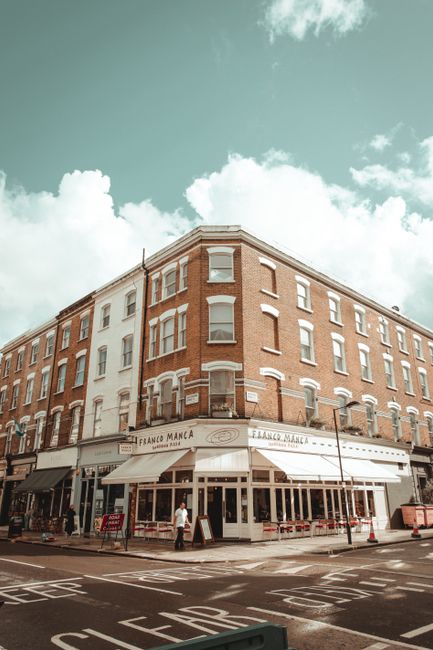
Mare Street end of tenancy cleaning guide Hackney
Posted on 29/05/2026
If you are moving out of a flat or house near Mare Street, the last few days can feel oddly chaotic. Boxes everywhere. A bin bag by the door. One missing charger you only notice at 10pm. And then there's the clean. This Mare Street end of tenancy cleaning guide Hackney is here to make that final step feel manageable, whether you are trying to secure a full deposit return, hand the place back properly, or simply avoid a last-minute scramble.
End of tenancy cleaning is not just a "quick tidy". It is a thorough, room-by-room clean that aims to leave the property in the condition expected at the start of a tenancy, allowing for fair wear and tear. In a busy area like Mare Street, where rentals turn over quickly and standards can be high, getting this right matters. The good news? With a sensible plan, the right tools, and a bit of local know-how, you can do it properly without losing your weekend.
Below, you will find practical steps, common pitfalls, a comparison of cleaning approaches, and a realistic checklist you can actually use. We will also cover where professional support fits in, including options like end of tenancy cleaning in Hackney, plus helpful related services such as carpet cleaning for stubborn marks and upholstery cleaning for soft furnishings.

Why Mare Street end of tenancy cleaning guide Hackney Matters
End of tenancy cleaning matters because move-out inspections are usually more detailed than the everyday cleaning you do while living somewhere. A landlord, letting agent, or inventory clerk will often look closely at kitchens, bathrooms, appliances, skirting boards, inside cupboards, limescale, stains, and any areas that have been neglected. In other words: the places you do not notice until someone points them out. Annoying, yes. Common, also yes.
On Mare Street, where many homes are flats above shops, converted buildings, and modern apartments with shared corridors, there is often a mix of surfaces and finishes. That means one cleaner's routine may not be enough. A shiny worktop, a streak-free hob, and freshly cleaned carpets can make a real difference to how the property is judged at handover.
For tenants, the main reason this matters is simple: reducing the risk of deposit deductions linked to cleaning. For landlords and agents, it helps the property return to market faster and in better condition. If you are navigating a move at the same time, related local reading like this guide to the Hackney housing market can offer useful context about the pace and pressure of renting in the area.
There is also a practical side that people often forget. A proper move-out clean is less stressful than trying to do everything at once after the van has already arrived. Truth be told, nobody enjoys wiping the top of kitchen cabinets at 8pm with a torch in their mouth.
How Mare Street end of tenancy cleaning guide Hackney Works
End of tenancy cleaning usually follows the condition of the property as laid out in the tenancy agreement and the inventory/check-in report. The aim is not to make the place look brand new, because that is unrealistic in most lived-in homes. The aim is to return it to a clean, presentable state that matches fair expectations.
A good process starts with removal of all personal items. Once the property is empty, the cleaning becomes much more effective. Dust can be seen properly. Corners are visible. Under furniture stops being a mystery. That is the point where you can work methodically rather than randomly, which is a lot more satisfying than it sounds.
Typical work includes deep cleaning kitchens and bathrooms, wiping internal surfaces, cleaning inside appliances, removing limescale, dealing with dust build-up, and finishing floors and carpets. In some homes, soft furnishings also need attention, especially if they have absorbed smells or visible marks. If that applies, upholstery cleaning in Hackney can be a useful add-on.
In practice, the work may be done in one long session or split over two visits. Larger properties, properties with heavy use, or places that have not had a deep clean in a while often take longer. That is normal. The cleaner the property looks at first glance, the easier it is to underestimate the hidden jobs. And there are always hidden jobs.
Key Benefits and Practical Advantages
The obvious benefit is a better chance of getting your deposit back in full, provided the rest of the tenancy has been straightforward. But there are a few other advantages worth mentioning, because they matter in real life.
- Less last-minute stress: a structured clean reduces the chaos of moving day.
- Better handover: a spotless property creates a smoother inspection experience.
- Fewer disputes: clear cleaning standards can prevent avoidable back-and-forth.
- More professional presentation: useful if you are a landlord, agent, or managing multiple properties.
- Better hygiene: kitchens, bathrooms, and high-touch areas are reset properly before the next occupant arrives.
There is also a less obvious benefit: clarity. Once you know what an end of tenancy clean actually involves, you can decide whether to DIY it, book professional help, or do a hybrid of both. That decision alone can save time and money.
If you are looking at wider home or business support after a move, you may also find domestic cleaning in Hackney useful for ongoing upkeep, or house cleaning services if the property needs general regular care rather than a one-off reset.
Who This Is For and When It Makes Sense
This guide is for tenants, landlords, letting agents, and even housemates dividing final responsibilities before a move. It is especially useful if you are in a busy rental pocket like Mare Street, where timelines can be tight and the handover tends to happen quickly.
You will benefit most if you are:
- moving out of a rented flat or house and want to avoid cleaning-related deductions;
- preparing a property for new tenants and need it turned around efficiently;
- sharing a tenancy and need a fair way to split tasks;
- renting a place with carpets, upholstery, or kitchen appliances that need deep cleaning;
- short on time and trying to decide whether professional help is worth it.
It also makes sense if the property has been lived in heavily. A family kitchen with daily cooking. A flat with pets. A bedroom with carpet that has taken a few too many muddy shoe days. You know the kind of thing. The job is still doable, but it needs more than a surface wipe.
For people planning longer-term moves in the area, local insight can help too. A practical read like Hackney living recommendations gives a useful feel for how local homes and lifestyles vary around the borough.
Step-by-Step Guidance
Here is a straightforward way to tackle the clean without missing the obvious bits.
1. Check your tenancy paperwork
Start by reading the inventory, check-in photos, and tenancy agreement. Look for clauses about cleaning standards, carpet care, professional cleaning, or appliance cleaning. If the property was professionally cleaned before you moved in, you will usually need to return it in a similar state, allowing for normal wear and tear.
2. Remove everything personal first
Pack and clear the property before deep cleaning if possible. Empty cupboards, fridge shelves, bathroom cabinets, and storage spaces. Cleaning around bags and boxes is a half-job at best, and usually a bit maddening.
3. Clean from top to bottom
Dust shelves, lights, ledges, and the tops of wardrobes before you clean floors. Work room by room so dirt does not get moved around endlessly. A top-down approach saves time and makes the result feel properly finished.
4. Tackle the kitchen thoroughly
The kitchen is often the inspection hotspot. Focus on the oven, hob, extractor, splashback, fridge, freezer, cupboards, sink, taps, and any grease on walls or tiles. Pull out appliances where possible to catch hidden debris. A little build-up behind a cooker can be the difference between "acceptable" and "needs re-clean".
5. Deep clean the bathroom
Remove limescale from taps, shower screens, tiles, and drains. Clean grout lines if needed, clear soap residue, and polish mirrors. Pay attention to around the toilet base and behind the sink. Bathrooms can look fine from the doorway and still fail on the details. It happens all the time.
6. Deal with carpets and soft furnishings
Vacuum slowly and properly, not the hurried two-minute kind. Spot-clean marks where possible. If carpets are stained, heavily soiled, or showing signs of deep traffic wear, professional treatment may be more realistic. For this, carpet cleaning in Hackney is often the most sensible route.
7. Finish with glass, switches, and floors
Wipe internal windows, sills, sockets, light switches, skirting boards, and door handles. Then vacuum and mop floors last. The property should smell neutral, not strongly perfumed. Clean, not disguised. That distinction matters more than people think.
Expert Tips for Better Results
A few practical tricks can make the whole job smoother. Nothing flashy. Just the sort of things that save an hour here and there and stop you redoing work twice.
- Use the right cloth for the right surface: microfibre is often best for dust and polishing, while non-scratch sponges are safer for delicate finishes.
- Let products sit when needed: oven cleaner, bathroom descaler, and grease remover usually work better with a little dwell time.
- Open windows while cleaning: it helps air out smells and lets damp rooms dry faster. A small thing, but useful.
- Photograph the property after cleaning: useful if there is a dispute later or you want proof of condition.
- Test a product first: especially on painted surfaces, natural stone, or older fittings.
One more practical point: start with the worst room first, usually the kitchen. If energy runs out later, at least the hardest part is done. That sounds obvious, but many people do the opposite and end up exhausted before they reach the bit that actually matters.
If you are trying to balance move-out cleaning with a busy day, a local team can often help by splitting the load. You may also want to look at the wider services overview to see what fits best for your property type.
Common Mistakes to Avoid
Most cleaning disputes are not caused by extreme mess. They are caused by missed detail. Small things. Sneaky things. The sort of things nobody notices until an inspection.
- Leaving cleaning until the final hour. Rushing leads to missed cupboards, dusty skirting, and patchy floor work.
- Ignoring appliances. The oven, fridge, and microwave are frequent problem areas.
- Forgetting hidden spaces. Behind radiators, under beds, and inside drawers are common fail points.
- Using too much product. Sticky residue can make surfaces look worse, not better.
- Assuming a quick vacuum is enough for carpets. If stains remain, they remain. Simple as that.
- Not matching the inventory standard. The inspection is about the property's documented condition, not your best guess.
And here is a classic one: people clean around the room instead of cleaning the room. The bed gets moved, the dust behind it gets forgotten, and somehow the same patch stays there for six months. Happens more than you would think.
Tools, Resources and Recommendations
You do not need a van full of specialist kit, but you do need the right basics. The most effective setups tend to be simple, reliable, and slightly boring. Which is fine. Boring tools get results.
| Item | Best use | Notes |
|---|---|---|
| Microfibre cloths | Dusting, polishing, wiping surfaces | Use several so you are not spreading grime around |
| Vacuum cleaner | Floors, skirting edges, upholstery | Check attachments for corners and stairs |
| Descaler | Bathroom taps, shower glass, sinks | Useful where hard water leaves visible deposits |
| Degreaser | Kitchen surfaces, extractor areas, cupboard fronts | Do a patch test first if the surface is delicate |
| Scraper or non-abrasive pad | Stubborn marks and dried residue | Be careful on glass and coated surfaces |
| Mop and bucket | Hard floors | Change water often; dirty water defeats the point |
If the property includes a home office corner, desk area, or shared workspace left behind by a previous tenant, regular office cleaning in Hackney principles can help with dusting equipment, touchpoints, and tidy presentation. Not every move-out is just a "home" clean anymore.
For those comparing costs, the most useful next step is often to request a tailored estimate through pricing and quotes. That gives you a clearer view of what is included rather than guessing from a generic number.
Law, Compliance, Standards, or Best Practice
End of tenancy cleaning sits in a practical middle ground: it is not usually about a separate law for cleaning itself, but about tenancy obligations, inventory evidence, and reasonable condition standards. In the UK, the general expectation is that the property should be returned in the same overall state it was in at the start, allowing for fair wear and tear. That phrase matters. A lot.
Good practice usually includes:
- matching the tenancy agreement and inventory rather than relying on memory;
- keeping receipts or records if you hire a professional cleaner;
- documenting the condition with photos after cleaning;
- reporting damage separately from cleaning issues, because the two are not the same thing;
- using safe products and methods on delicate materials.
If you choose professional support, look for clear communication about scope, exclusions, and expectations. Safety and insurance matter too. It is sensible to review a provider's health and safety policy and insurance and safety information before booking, especially for occupied buildings, awkward access, or fragile fittings.
One small but important point: if the tenancy paperwork specifies specialist cleaning for carpets, upholstery, or certain appliances, that should be treated seriously. Ignoring it and hoping for the best is rarely a good strategy. Better to clarify early than argue later.
Options, Methods, or Comparison Table
There are usually three ways people handle end of tenancy cleaning on Mare Street: do it themselves, split it between tenants, or book a professional service. Each has pros and cons, and the best choice depends on time, budget, and the property's condition.
| Method | Best for | Advantages | Trade-offs |
|---|---|---|---|
| DIY clean | Small, tidy properties and confident tenants | Lower direct cost, full control | Time-consuming; easy to miss detail |
| Shared tenant clean | House shares or joint tenancies | Costs and tasks can be split fairly | Coordination can get messy if people are busy |
| Professional end of tenancy clean | Busy moves, large properties, higher expectations | Structured, thorough, saves time | Higher upfront cost than DIY |
In many real situations, a hybrid works best. For example: you do the decluttering and light surface cleaning, then bring in professionals for carpets, ovens, or final detailing. That approach is often more efficient than trying to do everything alone after a long move. And yes, your future self will probably thank you.
Case Study or Real-World Example
Here is a realistic example based on the sort of move-out many tenants face around Mare Street.
A couple living in a two-bedroom flat above a commercial unit had a move-out inspection scheduled for Friday morning. By Wednesday evening, the place was mostly packed, but the kitchen had a baked-on oven tray, the bathroom had limescale around the taps, and the living room carpet had a few visible marks from foot traffic. Nothing dramatic. Just enough to make the property look tired.
They split the work. One person handled packing and surface wipe-downs. The other sorted the bathroom and dusting. Then they booked professional help for the carpets and the deeper kitchen finish. The next morning, the flat looked calmer, brighter, and more neutral. Not perfect in a show-home sense, but properly cleaned and ready for handover.
The key lesson here is simple: do not treat every part of the clean equally. Some areas are quick wins. Others need specialist attention. A targeted approach saves time and usually gives a better result than trying to scrub everything with equal effort.
If you are also settling into a new place nearby, it can be helpful to explore local lifestyle context like Hackney's unique boutiques or venues for special events once the move is done. A little local settling-in goes a long way.
Practical Checklist
Use this checklist as your final walk-through before handing back the keys.
- All personal items removed from the property
- Bins emptied and waste taken out
- Kitchen cupboards emptied, wiped inside, and checked for crumbs
- Oven, hob, extractor, and splashback cleaned
- Fridge and freezer defrosted, cleaned, and left appropriately
- Bathroom descaled, polished, and free from soap residue
- Sinks, taps, mirrors, and glass cleaned streak-free
- Skirting boards, switches, sockets, and door handles wiped
- Floors vacuumed and mopped
- Carpets treated or professionally cleaned if needed
- Soft furnishings checked for marks or smells
- Windows, sills, and internal ledges cleaned
- Light fittings, shelves, and radiators dusted
- Final photos taken after cleaning
- Keys ready for return and handover time confirmed
Expert summary: the best end of tenancy clean is not the one that looks busy; it is the one that matches the inventory, covers hidden detail, and finishes with no obvious excuses left behind.
Get a free quote today and see how much you can save.
Conclusion
Moving out on Mare Street does not need to become a last-day panic. If you plan early, clean systematically, and focus on the rooms that matter most, end of tenancy cleaning becomes a manageable project instead of a dreaded one. Kitchens, bathrooms, carpets, and hidden edges do the heavy lifting here. Get those right, and the rest tends to follow.
For some tenants, DIY is enough. For others, a professional clean is the calmer, safer choice, especially when time is tight or the property needs a deeper finish. The real win is choosing the method that suits your situation instead of guessing under pressure. That is usually where people make things harder than they need to be.
If you want to compare options, service scope, or support levels before you move, it can help to explore more about the team, check the broader service overview, or review how bookings and payments are handled through payment and security information. Small bits of clarity make a big difference when you are already juggling boxes, keys, and timing.
In the end, a good move-out clean is less about perfection and more about care. Do it properly, do it calmly, and you give yourself the best chance of a smooth handover - and a much easier exhale afterwards.